Is Kazakhstan safe for travelling?
General safety
Kazakhstan is a stable and safe country to travel in, and most trips here go smoothly without any special situations. International assessments consistently place it in a low-risk category for travelers, and Kazakhstan is generally considered safe in terms of security and terrorism risk.
The country is also far from any current conflict zones — thousands of kilometers away — and is not affected by instability in other regions. Travel in and out of Kazakhstan continues normally, with international flights operating through major transit hubs such as Istanbul, Frankfurt, Warsaw, Milan, Amsterdam, Seoul, Beijing, Bangkok, Kuala Lumpur, and Delhi, which keeps the country well connected even when some routes elsewhere are more limited.
Violent crime involving tourists is rare. In larger cities, the most common issue is petty theft in crowded places — similar to any major city.
In everyday life, people are usually friendly and open, and it is common to receive help with directions or small things simply because you are a visitor.
Overall, Kazakhstan is a welcoming and predictable country to travel in. Just follow basic common sense and simple travel awareness, and pay attention to the points below.
Transport & Road Safety
Getting Around: Taxis & Transfers
To avoid overcharging or unlicensed rides, it’s best to use apps like Yandex Go, where you can see the price and route in advance. We recommend avoiding random private cars from the street, especially at airports, as prices can be unclear or inflated. Hotel transfers or app-based rides are the safer option.
Note: we include airport transfer for tours of three days or more, to make arrival easier and more comfortable.
The Reality of the Road: Off-Road & Remote Areas
In remote parts of Kazakhstan, roads change quickly once you leave the main highways. What looks like a normal route often turns into gravel, steppe tracks, or sandy sections.
If you are renting a car for this kind of travel, make sure to carefully check the condition of the vehicle before setting off. In these areas, it should be a proper 4WD vehicle, suitable for rough roads and remote terrain. Ideally, it should also be a well-prepared off-road setup with good ground clearance and underbody protection, as conditions can change significantly once you leave paved roads.
Why preparation matters
We learned this in our early days. In one of our first seasons, we once ended up with flat tires and no spares in a remote area and had to walk for hours to get help. That experience showed us how important preparation is in these regions, and it’s exactly why we now plan everything more carefully.
Key things to keep in mind
Navigation: Mobile signal usually disappears as soon as you leave the asphalt. Offline maps are essential, as you cannot rely on live navigation.
Fuel & water: Distances can be deceptive. Always refuel whenever you see a station. In many regions, especially arid areas, water sources are rare, so carrying enough bottled water is important.
Tires & “washboard” roads: The terrain can be demanding. At least one, ideally two, full-sized spare tires are strongly recommended. On gravel roads you may encounter “washboard” sections; in some cases, maintaining a steady speed around 60–70 km/h feels smoother, but it requires full attention.
General road rules
Livestock: Horses, cows, and camels can appear on rural roads unexpectedly, especially around sunrise and sunset.
Traffic police: If you are stopped, always ensure you receive an official document or receipt.
If you prefer a more comfortable and hassle-free experience, you can always join a guided trip with us.
Money & Currency
Exchange money only at official banks or licensed exchange offices. A passport is usually required.
Make sure banknotes are in good condition. Some exchange offices may refuse damaged bills, and older US dollars (especially pre-2013) can sometimes be rejected.
In cities, cards and Apple Pay are widely accepted, but cash (Kazakhstani tenge) is still necessary in markets, small towns, and mountain regions.
Safety for Solo Female Travelers
Kazakhstan is a secular country, and most solo female travelers feel comfortable here.
In cities like Almaty and Astana, there are no strict dress codes, and styles vary widely. When visiting mosques or traveling in rural areas, modest clothing is recommended out of respect for local customs.
Food & Eating in Kazakhstan
Food in Kazakhstan is generally safe, filling, and worth trying. The local cuisine is based mainly on meat, bread, and dairy, and in most places it is prepared under normal hygiene standards. A simple rule is to eat where locals eat — busy places usually mean fresh food and regular turnover.
One important thing to keep in mind is drinking water. It is better not to drink tap water or untreated water from rivers or streams, especially in mountain areas. Bottled or filtered water is the safest option.
It is also useful to check ingredients when needed, as some dishes may contain meat, dairy, or other local products not always clearly stated. The same applies to specific diets — if you are vegetarian, it is worth double-checking your order.
Local cuisine also includes fermented horse milk products, which can be unfamiliar and sometimes heavy for the stomach, so it is better to try them carefully if you are sensitive.
Overall, food in Kazakhstan is something to enjoy, with basic awareness depending on your needs.
Mountain Safety
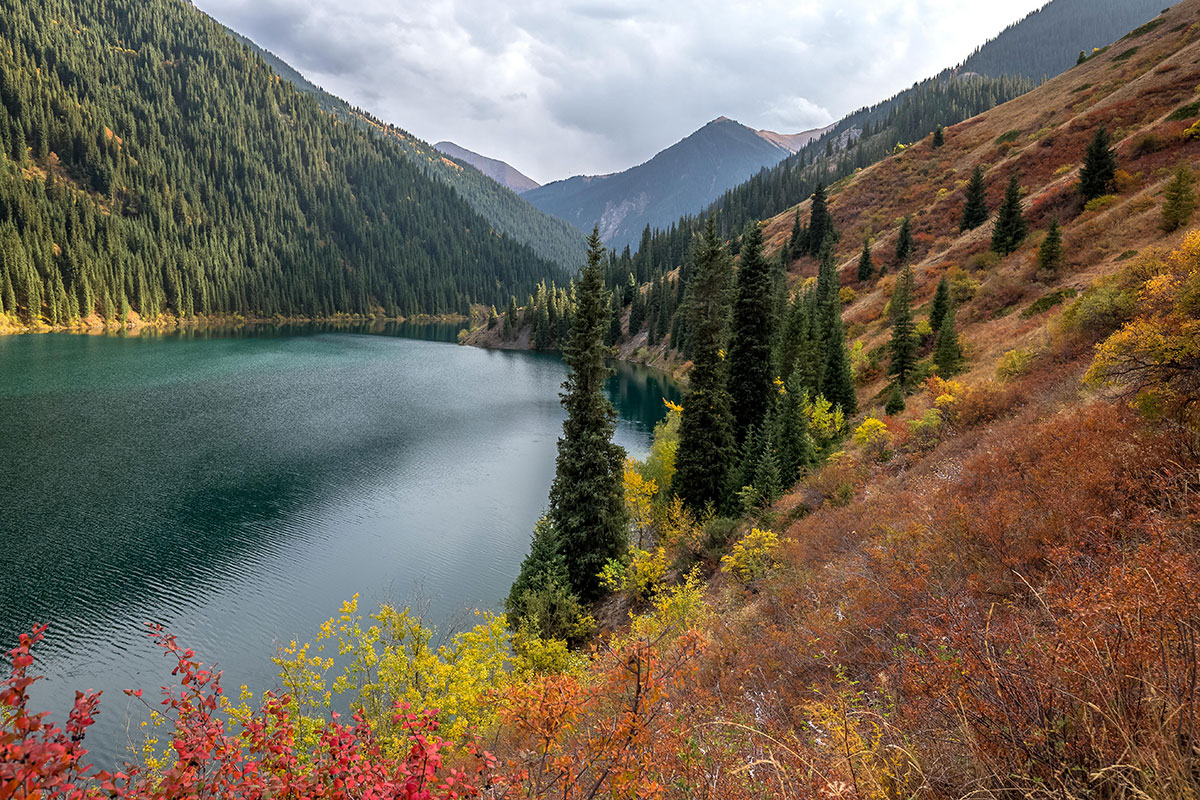
The Tien Shan mountains are beautiful, but conditions can change quickly, so preparation is important.
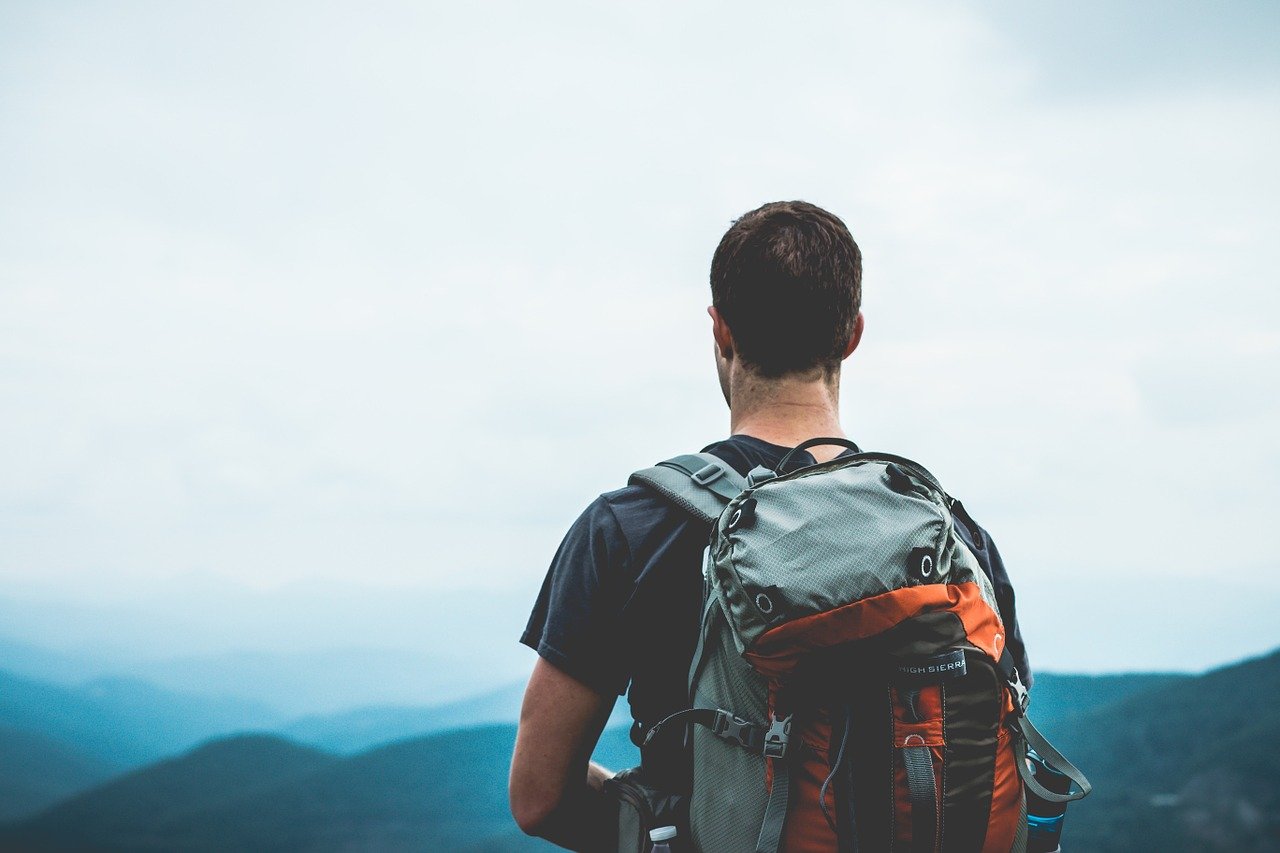
Mobile signal is often weak or absent, so do not rely on being able to contact anyone during a hike. Make sure someone knows your route, timing, and expected return before you set off. For longer or remote hikes, registering your route with 112 (emergency line in Kazakhstan, similar to 911) is recommended, and a satellite device or GPS tracker with SOS function can be a useful backup.
At altitude, it is important to give your body time to adjust. Keep a steady pace and avoid pushing too hard in the first days. “Climb high, sleep low” helps the body adapt more smoothly.
Weather can change quickly, especially at higher elevations. Always check the forecast and understand your route before starting.
In national parks, conditions vary — rocky sections, river crossings, and weather-affected trails are common. Always check local updates and speak with park rangers. Let them know your planned route and whether you will return the same day or stay overnight.
Ticks can be present in spring and summer, so repellent and regular checks are recommended.
We know it sounds like basic stuff, but in the last few seasons, most mountain incidents were simply linked to poor planning, lack of proper gear, or people hiking alone in remote spots.
Local Etiquette & Interaction
Kazakhstan is generally an open and modern country, and cities like Almaty and Astana are quite cosmopolitan. However, сalm and neutral behavior works best in everyday situations. Keep in mind that direct staring or prolonged eye contact can be perceived differently, especially in more traditional environments, so it is better to keep interaction relaxed.
The same applies to general expressiveness — very direct behavior can sometimes be interpreted differently, particularly in interactions with women in more traditional settings. Locals are friendly, but social boundaries are often more reserved.
Regarding public behavior, there is legislation concerning the public display of non-traditional relationships introduced in recent years. This mainly applies to public spaces, while private life remains unaffected. Locals are generally tolerant, but discretion in public is advised.
Rules & Regulations
Smoking Rules & Vaping: Traditional smoking is allowed, but only in designated smoking areas. Smoking in public spaces such as parks, restaurants, or airports can result in fines, so it’s important to follow local rules and pay attention to signs. Vaping is not allowed in Kazakhstan, and electronic cigarettes may be confiscated at the border. Cannabis and all other drugs are strictly illegal, and possession or use can lead to serious legal consequences.
Drones and Photography: Small drones under 250g are generally fine to bring and use. Officially, drones over 250g or those with cameras should be registered, but in practice rules are not always strictly enforced.
Still, it’s not risk-free — so it’s best to use common sense. Avoid taking photos or recording near military sites, border areas, and airport security zones.
Emergency & Medical Help
It is a good idea to bring your own medication and know the international names of your prescriptions, as brand names can be different locally.
If you experience a serious injury, acute illness, food poisoning, high fever, a bite, a fracture, or anything that requires urgent medical attention, you can dial 103 — the local ambulance service number.
An ambulance will arrive, provide first aid, and, if necessary, take you to a hospital for further treatment. Initial emergency medical care is free of charge for everyone, including foreign visitors.
If you need longer hospital treatment or extended care, this is usually a paid service, so travel insurance is recommended to make the process easier if follow-up care is needed.