Fauna of Kolsay Kolderi National Park

Fauna of Kolsay Kolderi National Park Kazakhstan
photo by gwangjin-go

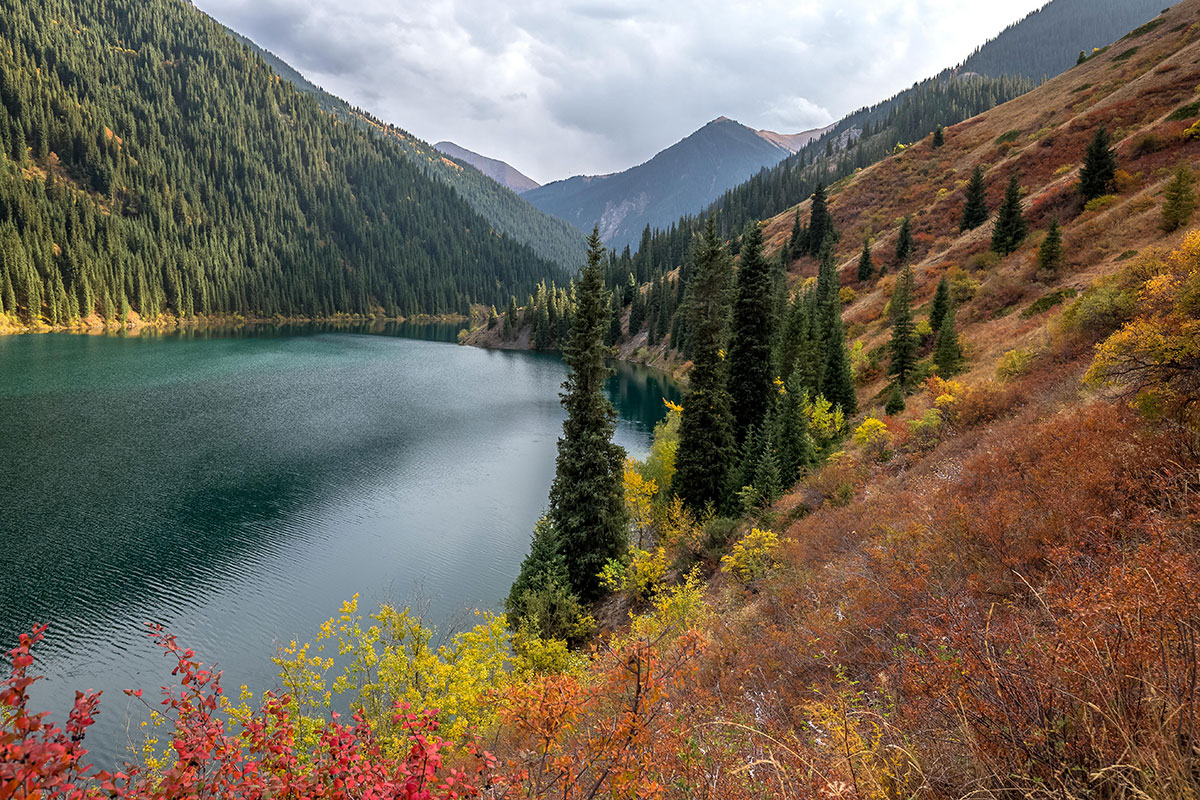
Kolsay Kolderi National Park is one of the most biologically rich protected areas in Kazakhstan. Located in the northern Tian Shan mountains near the Kyrgyzstan border, the park is famous for its alpine lakes, dense spruce forests, high-altitude meadows, and untouched mountain landscapes. Beyond its scenic beauty, Kolsay is a true wildlife sanctuary — a living ecosystem where rare, endangered, and culturally significant species of Central Asia coexist in natural harmony.

The fauna of Kolsay reflects not only ecological diversity but also deep cultural meaning. For centuries, local Kazakh communities have lived alongside these animals, shaping traditions, beliefs, folklore, and nomadic ethics of coexistence with nature. Today, modern ecotourism and conservation efforts continue this relationship in a new form — through protection, education, and sustainable tourism.

This article explores the wildlife of Kolsay as both a natural system and a cultural landscape.
Mountain Mammals of Kolsay Kolderi National Park

Snow Leopard – Қар барысы / Ілбіс (Panthera uncia)

Snow leopard (қар барысы) in Tian Shan mountains Kazakhstan
photo by rapha-wilde

The Ghost of the Tian Shan

The snow leopard, known in Kazakh as қар барысы or ілбіс, is the most legendary animal of Kolsay Kolderi National Park. Living in high‑altitude rocky zones, it is called the “ghost of the mountains” because of its silent movement, camouflage fur, and extreme elusiveness.

Interesting facts:

  • Can leap up to 15 meters in one jump
  • Uses its long tail as a natural blanket in freezing temperatures
  • Wide paws act like snowshoes
  • Can survive at altitudes above 4,500 meters
  • One of the rarest big cats in the world

Relationship with locals:

In Kazakh culture, the ілбіс is a symbol of power, purity, and protection. Ancient nomadic beliefs viewed it as a guardian spirit of the mountains. Even today, locals treat the snow leopard with deep respect — not as an enemy, but as a sacred presence. Modern communities support conservation programs and camera‑trap monitoring projects, seeing the survival of the snow leopard as a symbol of national natural heritage.

Tien Shan Brown Bear – Қоңыр аю (Ursus arctos isabellinus)

Tien Shan brown bear (қоңыр аю) in Kolsay forests
photo by john-thomas

The Forest Giant

The қоңыр аю (brown bear) inhabits forest zones, river valleys, and alpine meadows. It is one of the largest mammals in Kolsay and a keystone species for forest ecosystems.

Interesting facts:

  • Eats berries, roots, insects, fish, and plants
  • Disperses seeds across vast territories
  • Has strong memory for food locations
  • Can run up to 50 km/h for short distances
  • Hibernates during winter

Relationship with locals:

Traditionally, bears were respected as forest spirits. Local stories describe them as wise, powerful, and intelligent beings. In modern times, bears are seen as symbols of wild nature. Communities promote coexistence rather than conflict, using education programs to prevent human‑wildlife encounters.

Red Deer (Maral) – Марал (Cervus elaphus maral)

Maral deer (марал) in Kolsay Kolderi National Park
photo by dmitry-grachyov

Spirit of the Forests

The марал is one of the most majestic animals of the park, living in forest clearings and mountain valleys.

Interesting facts:

  • Antlers can weigh over 15 kg
  • Powerful mating calls echo through valleys
  • Excellent swimmers
  • Strong sense of smell and hearing

Relationship with locals:

Maral deer symbolize strength and nobility in Kazakh folklore. Traditionally, they were associated with abundance and prosperity. Today, locals see them as a key species for eco‑tourism and wildlife photography.

Siberian Ibex – Тау теке (Capra sibirica)

Siberian ibex tau teke of Tian Shan
photo by thomas-jarrand

Kings of the Cliffs

The тау теке dominates rocky slopes and cliffs.

Interesting facts:

  • Lives above 4,000 meters
  • Incredible climbers
  • Main prey of snow leopards
  • Males have massive curved horns

Relationship with locals:

Ibex are symbols of endurance and survival. In traditional beliefs, mountain goats represented resilience and balance between earth and sky.

Roe Deer – Елік (Capreolus capreolus)

roe deer of kolsay kolderi
photo by harald-attila

Interesting facts:

  • Extremely fast and alert
  • Can change direction instantly
  • Important seed dispersers

Local relationship:

Seen as gentle forest spirits in folklore and respected as symbols of harmony with nature.

Wild Boar – Қабан (Sus scrofa)

wild boar
photo by rolf-schmidbauer

Interesting facts:

  • Improves soil fertility
  • Highly intelligent
  • Strong family bonds

Local relationship:

Traditionally viewed with caution and respect due to their strength.

Predators of Kolsay

Gray Wolf – Қасқыр (Canis lupus)

Grey wolf - kok bori
photo by eva-blue

Interesting facts:

  • Highly social pack structure
  • Can travel 50+ km daily
  • Essential for ecosystem balance

Local relationship:

In Kazakh culture, the wolf symbolizes freedom, courage, and independence. The legendary Көк бөрі (Blue Wolf) is a sacred figure in Turkic mythology.

Red Fox – Түлкі (Vulpes vulpes)

red fox -tulki
photo by ray-hennessy

Interesting facts:

  • Extremely adaptive
  • Intelligent hunter
  • Survives in many habitats

Local relationship:

Symbol of cleverness and wisdom in folk tales.

Eurasian Lynx – Сілеусін (Lynx lynx)

lynx-sileusin
photo by jim

Interesting facts:

  • Excellent night vision
  • Silent hunter
  • Rarely seen

Local relationship:

Considered a mystical forest guardian in local legends.

Birds of Kolsay Kolderi National Park

Golden Eagle – Бүркіт (Aquila chrysaetos)

Golden eagle spirit of Sky
photo by mark-van-jaarsveld

Interesting facts:

  • Wingspan up to 2.3 meters
  • Vision 8× sharper than humans
  • National symbol of Kazakhstan

Local relationship:

The бүркіт is sacred in Kazakh culture. Eagle hunting traditions (бүркітшілік) are part of UNESCO cultural heritage.

Eurasian Blackbird – Қара торғай / Turdus merula

A forest songbird commonly found in the park’s wooded areas. Known for its melodic and varied songs, the blackbird is often heard more than seen.

Eurasian Blackbird – Қара торғай / Turdus merula
photo by daniel-brzdek

Interesting facts:

  • Both males and females sing, but the male’s song is louder and more complex.
  • Often seen near trails and clearings where it forages for insects and berries.
  • Adaptable, living near human paths and natural forest edges alike.

Local connection:

Birdwatchers and hikers appreciate the blackbird’s song as part of the forest soundscape during spring and summer.

Common Kestrel – Тұмсықша торғай / Falco tinnunculus

Common kestrel
photo by manish-kavediya

A small falcon seen hovering over open meadows and hillsides.

Interesting facts:

If the kulan represents the earth and the horse the past, then the Steppe eagle (Aquila nipalensis) is the ruler of Altyn-Emel’s sky.

  • Uses a unique hovering flight to spot prey such as insects and small rodents.
  • Often seen perched on bushes or rocks scanning open fields.
  • Common across Kazakhstan, including the higher grasslands of Kolsay.

Local connection:

The kestrel is often noticed first for its hovering flight rather than its color — a favorite sight among visitors.

Bearded Vulture (Lammergeier) – Сиыршығыр / Gypaetus barbatus

Bearded Vulture
photo by marco-pagano

A rare and impressive bird, mainly a scavenger of high mountains.

Interesting facts:

  • Not a typical vulture — feeds mostly on bones, breaking them by dropping from heights.
  • Found in rugged cliffs and high plateaus.
  • Recognized by its long wings and feathered “beard” under the beak.

Local connection:

The bearded vulture is a highlight for wildlife photographers and a sign of wilderness health.

Conclusion: The Living Soul of Kolsay Kolderi National Park

The fauna of Kolsay Kolderi National Park is more than just a list of species — it is a living story shaped by mountains, forests, lakes, and centuries of coexistence between wildlife and local communities. From elusive snow leopards high on rocky ridges to cautious marals in spruce forests, from golden eagles circling above valleys to mountain birds singing along alpine streams, Kolsay is one of the richest wildlife sanctuaries in Kazakhstan.

Here, animals are not only part of nature but part of local identity. Shepherds read the weather by bird behavior, hunters pass down respect for wildlife, and guides share stories that connect modern travelers with ancient mountain traditions. Every species plays a role in keeping this fragile ecosystem alive — a balance that visitors can still witness with their own eyes.

If this article sparked your curiosity, a detailed wildlife or nature book about Kazakhstan’s national parks will help you understand these animals even deeper — their habits, migrations, and hidden lives beyond the trails.

But nothing compares to seeing it in real life.
Booking a guided tour to Kolsay Kolderi means:

  • spotting wildlife responsibly with local experts
  • supporting conservation and local communities
  • experiencing Kazakhstan’s wild nature in its purest form

Whether you are a nature lover, photographer, birdwatcher, or traveler seeking authentic experiences, Kolsay Kolderi National Park offers encounters that stay with you long after the journey ends.

Read more. Travel deeper. Protect what you discover.

Tours to Kolsay Kolderi

Duration: 2 Day

This 2-day tour from Almaty explores Charyn Canyon, the surreal sunken forest of Kaindy Lake, and the alpine beauty of Kolsay Lakes. Enjoy scenic hikes, local guesthouse accommodation, meals, and guided nature experiences in southeastern Kazakhstan.


Price: from 250 USD per person
Duration: 5 Days

Discover the wild soul of southeastern Kazakhstan on a leisurely 5-day tour that takes you from city comforts to remote natural wonders. You’ll travel through steppes, semi-deserts, mountains, and alpine lakes — with lots of time to wander, breathe, and soak in the beauty.                                                                                                    Expect lots of hiking, dusty trails, night-time campfires, hearty village food, and endless stargazing in some of Kazakhstan’s darkest-sky spots.

Price: from 665 USD per person

Please do not hesitate to ask us if you have any questions!

Here are some photos from the location.  Enjoy! 😉